Talk Omnichannel to Me!
SUNDAY 12, 2026

Sofia Enriquez
Marketing Strategist
Did you know the average American uses almost 7 different social networks each month, plus email, apps, radio, TV, etc. What’s more, most people research brands and items before they purchase. So it’s a good idea to be where your customers are, not just to remind them that you exist, but also to make their research journey as easy as possible. It’s all about giving your customers a smooth, connected experience. A customer can start engaging with your brand on one channel and easily pick up where they left off on another, without feeling like they’re dealing with a totally different brand each time.
Let’s understand an Omichannel strategy with an example:
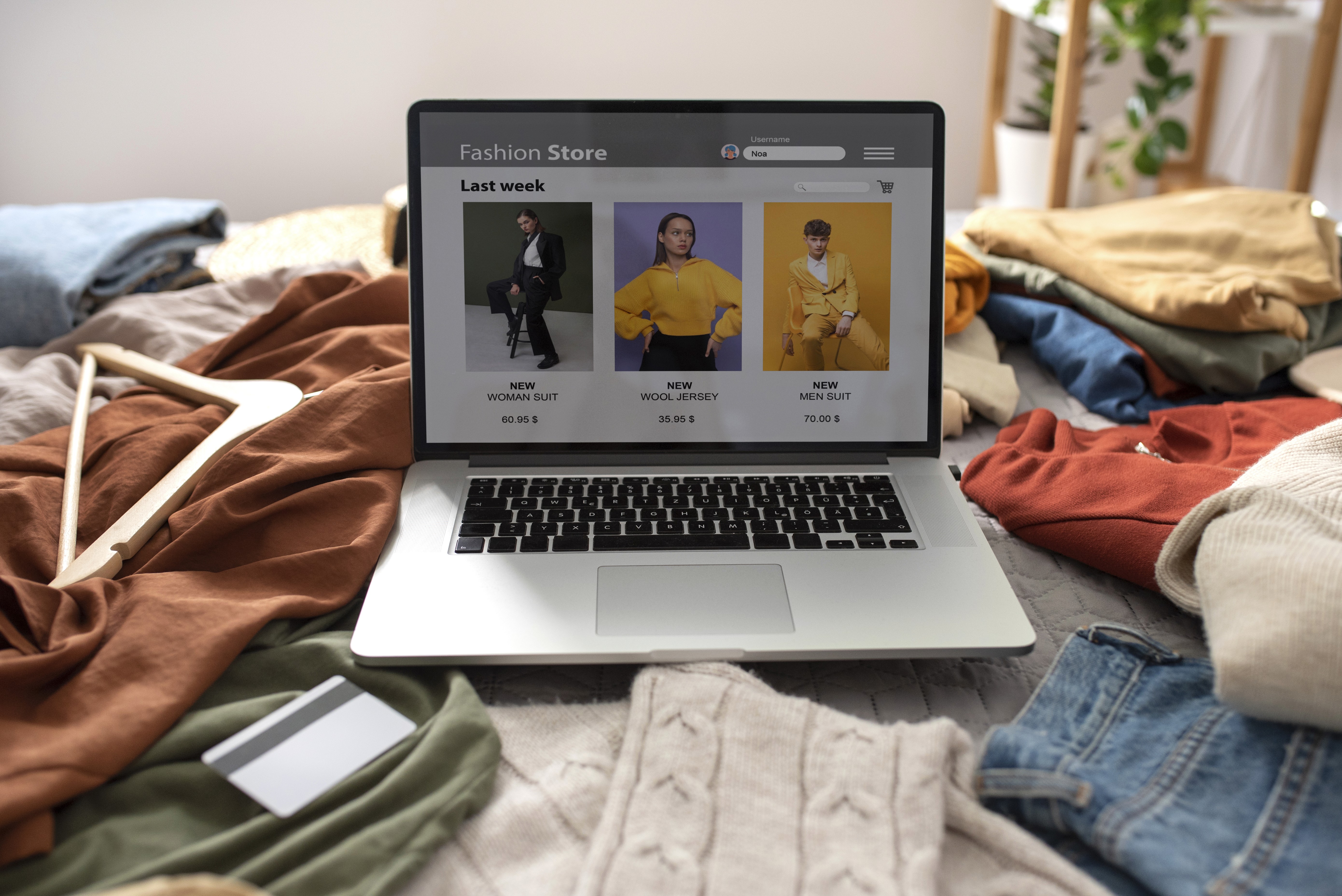
Let’s say you’re running an online clothing store and launching a new spring collection. Here’s how an omnichannel campaign might work:
Instagram Ad: You run a targeted Instagram ad showcasing your new collection with a special 20% off offer. Someone clicks on the ad, goes to the website and even adds a sweater to his cart, but… doesn’t buy it right away.
Follow-Up Email: The same person receives a follow-up email within 24 hours with the same discount code. This is the classic: —Don’t forget about the items in your cart! Finish your purchase— kind of email.
Facebook Ad: The next day, the customer sees a new ad about the spring collection and items he clicked on yesterday. So he finally clicks and buys the sweater.
SMS / WhatsApp Message: The next week, they receive a friendly text checking in to see how their purchase went and suggesting similar products they might like.
*Very important point: You knew exactly what to show to this person because you kept track of his shopping behavior.
This strategy used 4 different channels to give a unified experience, which we call: the buyer's journey.
Focus on these Key Points to make a great omnichannel strategy:
Consistent messaging and branding
No matter where your audience interacts with you, the message, tone, and look should be consistent.Your customer’s journey
Omnichannel marketing is built around the customer journey. It’s not about just blasting out messages across different platforms but understanding how your audience moves through the sales funnel and interacting with them in a personalized, relevant way.Integrated Data
Super important! Keep track of the journey!
You need to know what your prospect is doing all the way through. In order to do this easily you can use some CRM’s that can help you track the flow of your clients.Smooth transitions across channels
The experience should be fluid—customers shouldn’t feel like they’re starting over each time they switch platforms. If they ask a question in your Instagram DM, for example, and then follow up on your website’s live chat, the support team should be able to access the prior conversation. This helps create a seamless, positive customer experience.
Bonus info:
The big difference: Omnichannel vs. Multichannel
It’s easy to get confused between omnichannel and multichannel, but here’s the main difference:
Multichannel marketing involves using multiple channels (like email, social media, direct mail, etc.), but these channels might not necessarily be connected.
Omnichannel marketing, on the other hand, is about creating one experience. These channels work together, sharing data and interacting with the customer in a seamless way.
For example, with a multichannel approach, you might run ads on Facebook and Instagram, email newsletters, and in-store promotions. However, there may not be a connection between these channels.
With an omnichannel approach, if someone clicks on an Instagram ad, then receives an email about the product, and later shops on your website, they’re essentially having a connected experience across all these touchpoints.